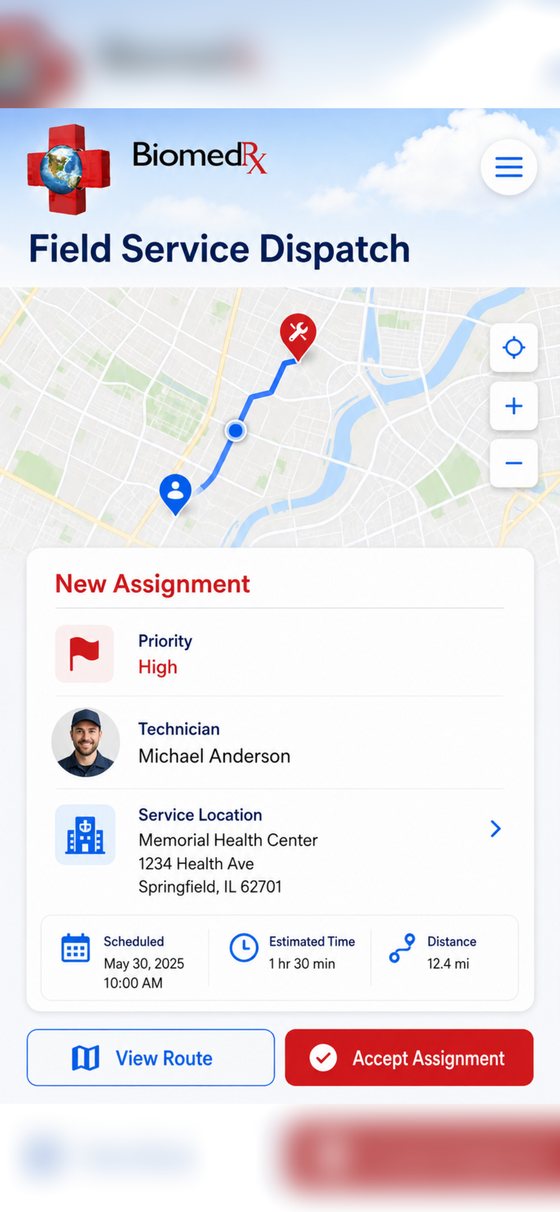
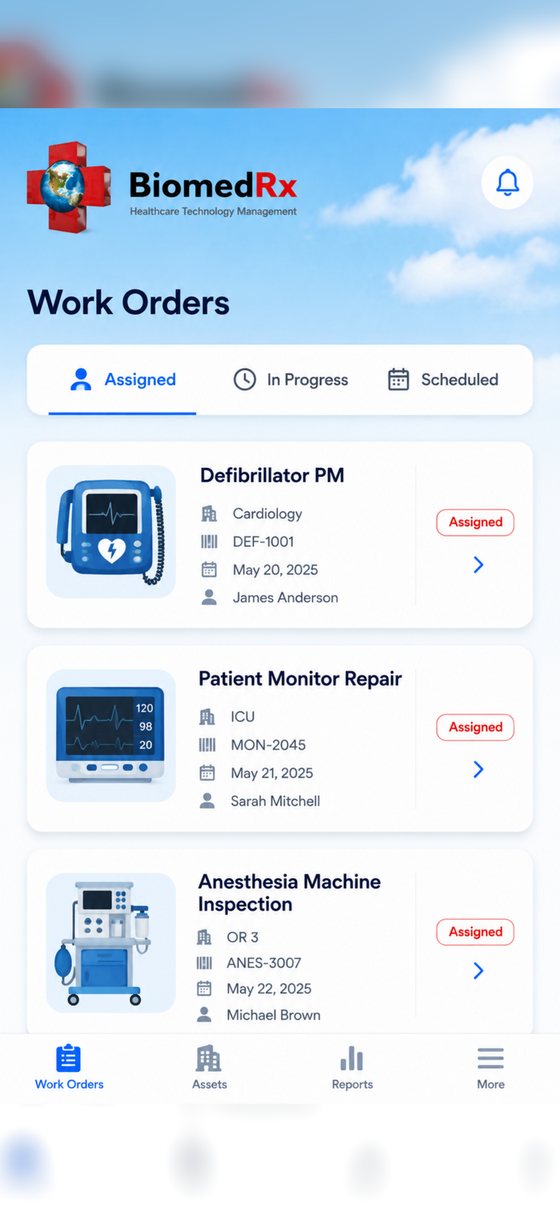
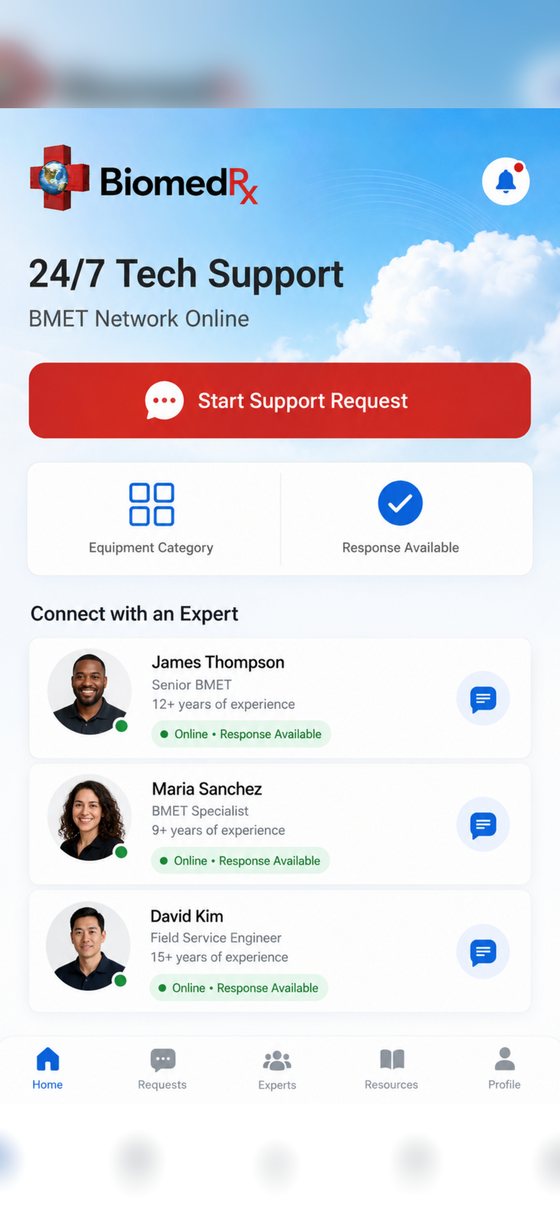
Dispatch through a network of qualified biomedical equipment technicians, follow every work order, keep the service history, and settle invoices in the app.
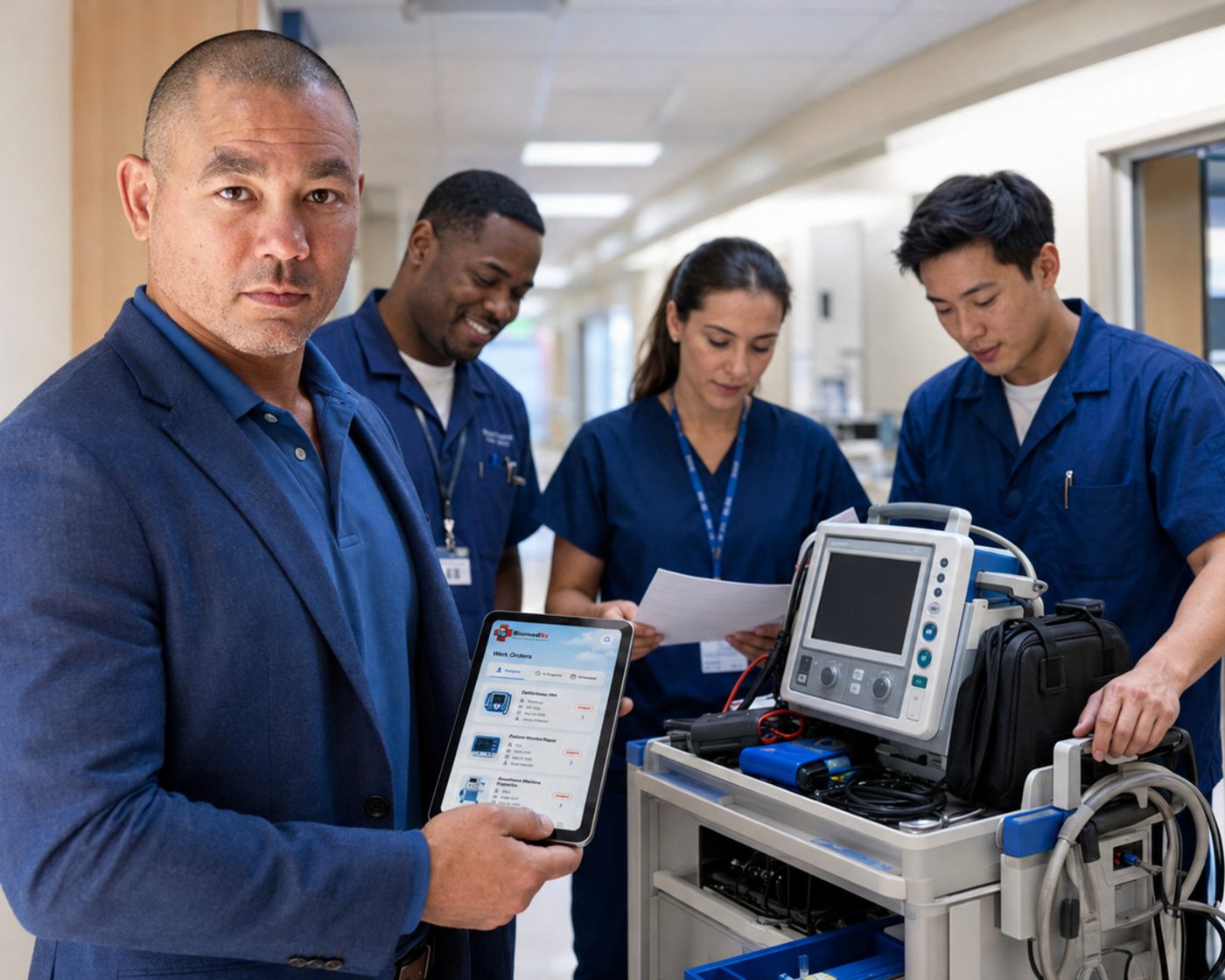
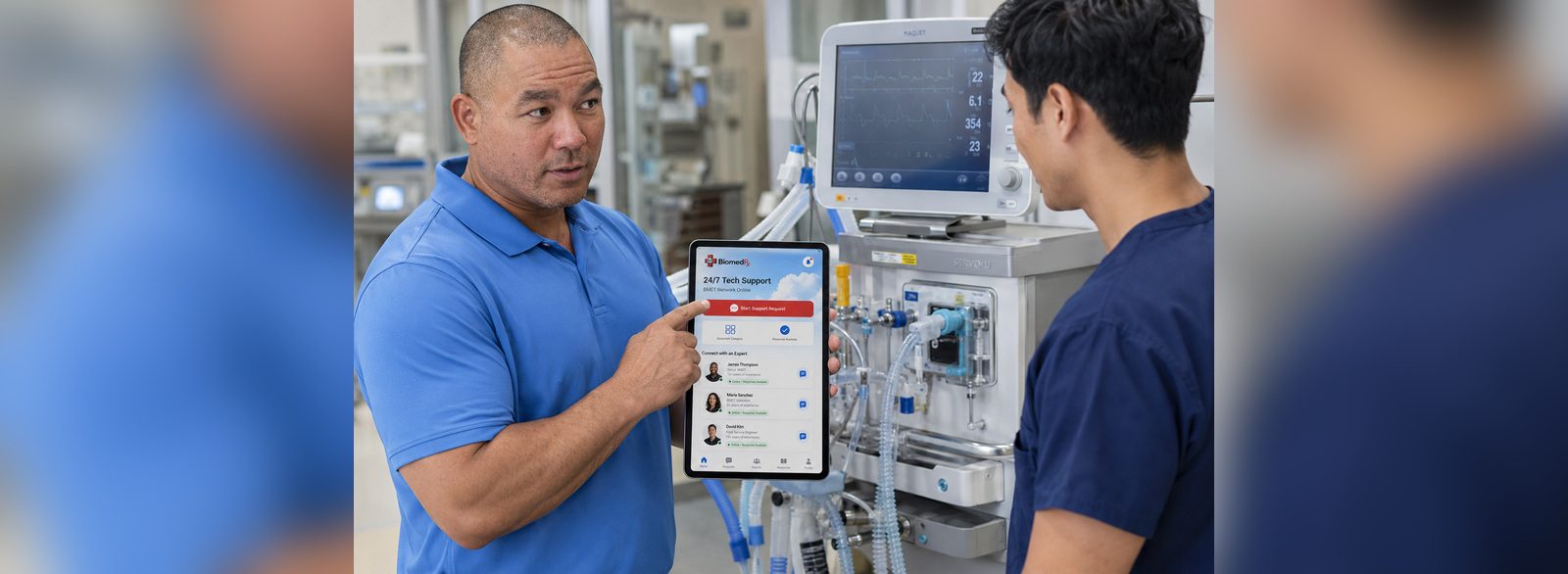
The same capabilities, pointed at OEM field service.
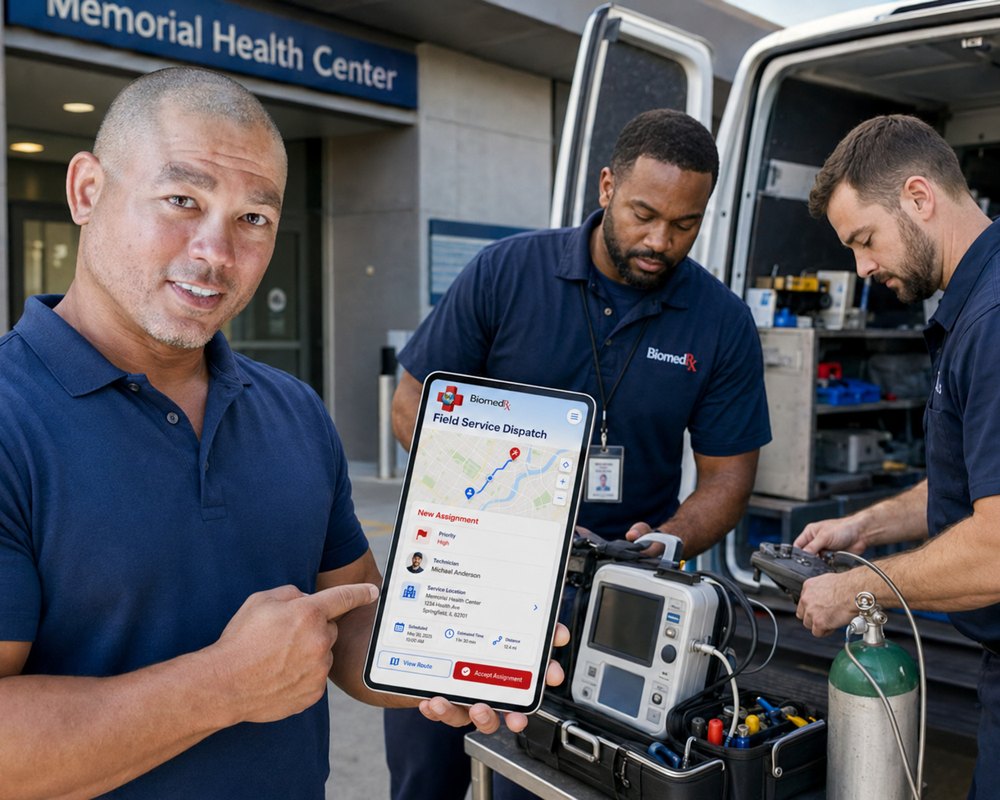
Raise field service requests against installed devices, wherever they sit.
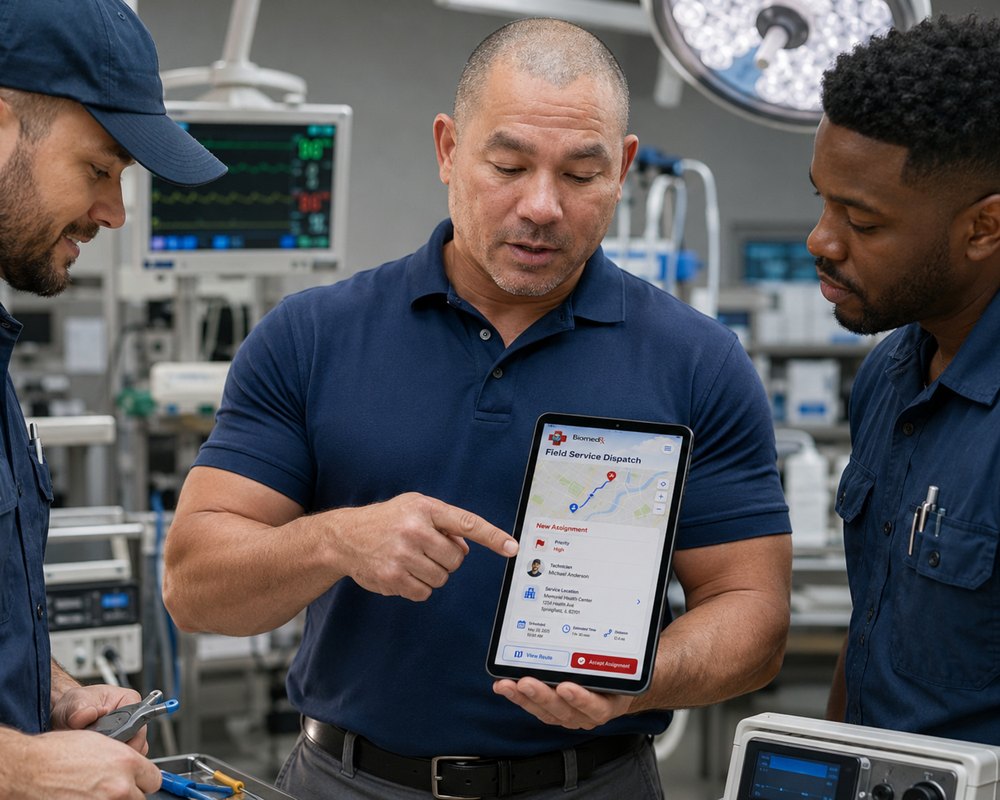
Put a service contract agreement in place and let the network carry the work.
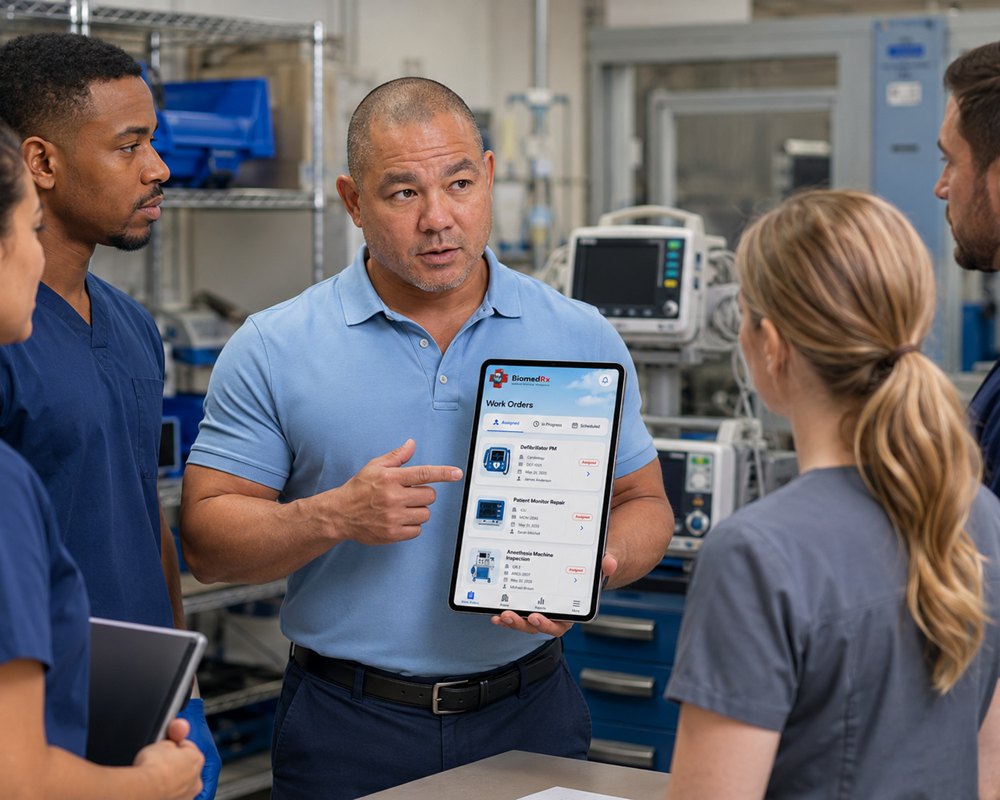
Follow an open call from dispatch to close, in the app and online.
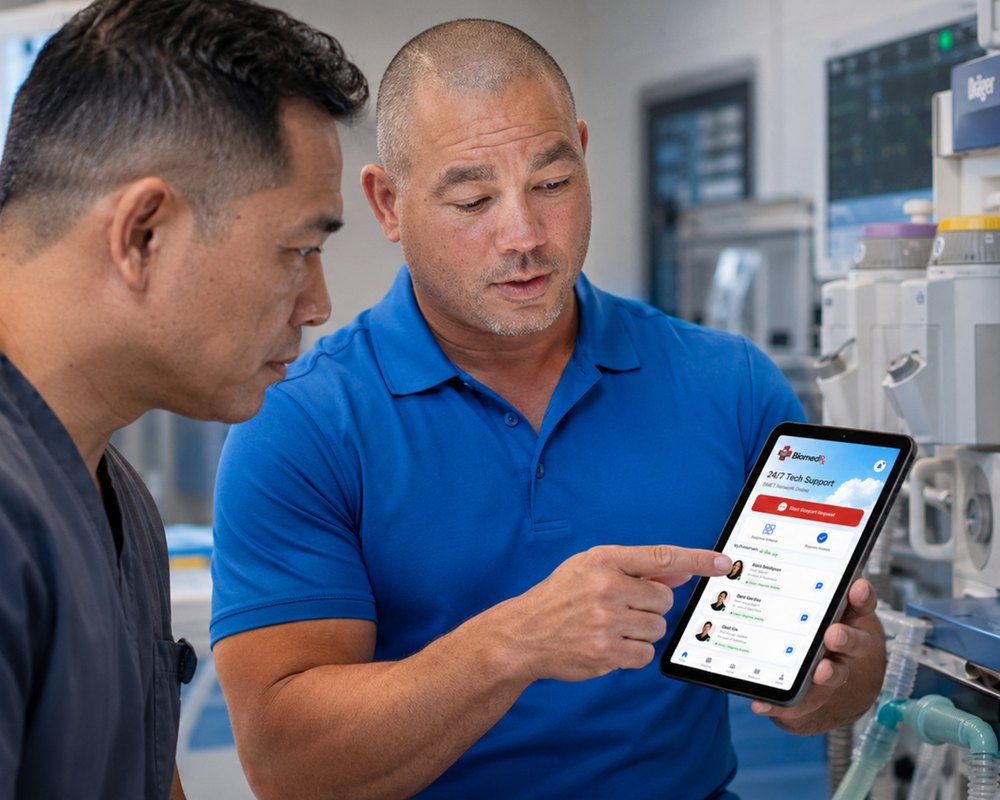
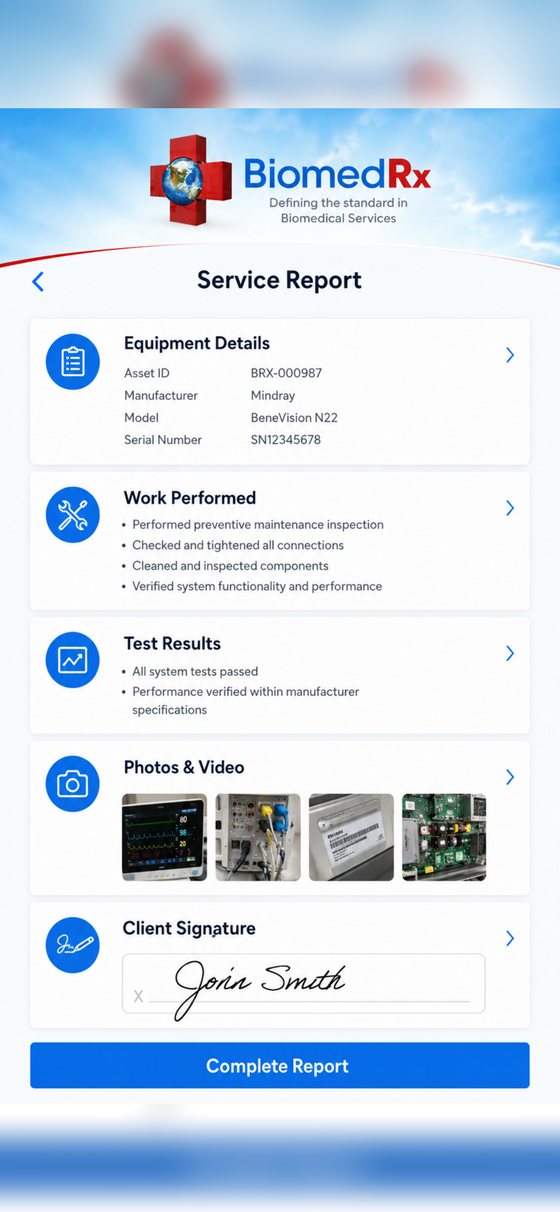
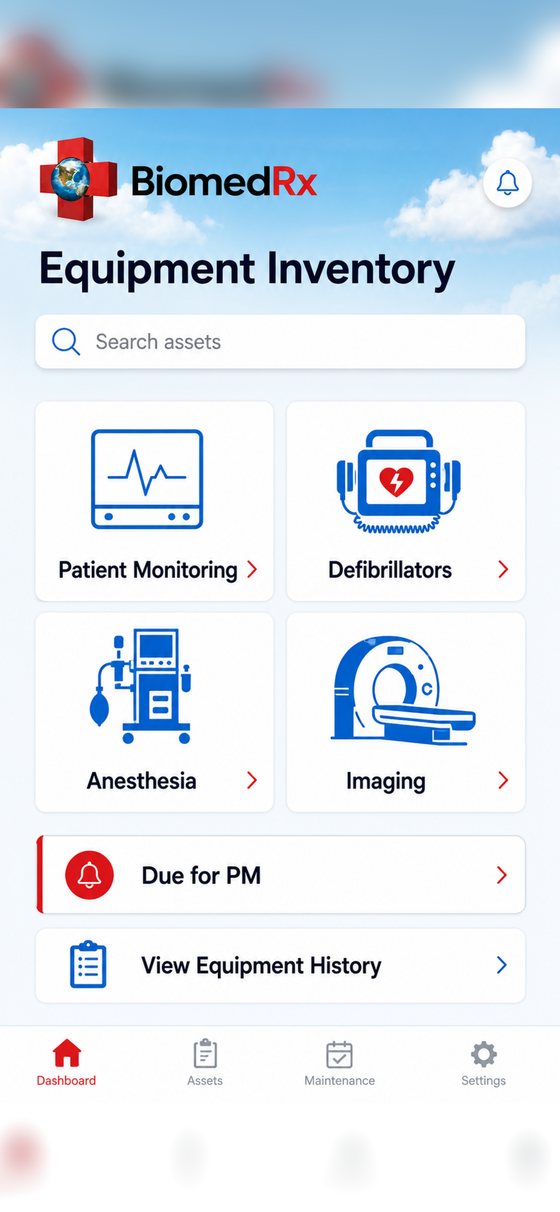
Keep a device's service history intact across sites and technicians.
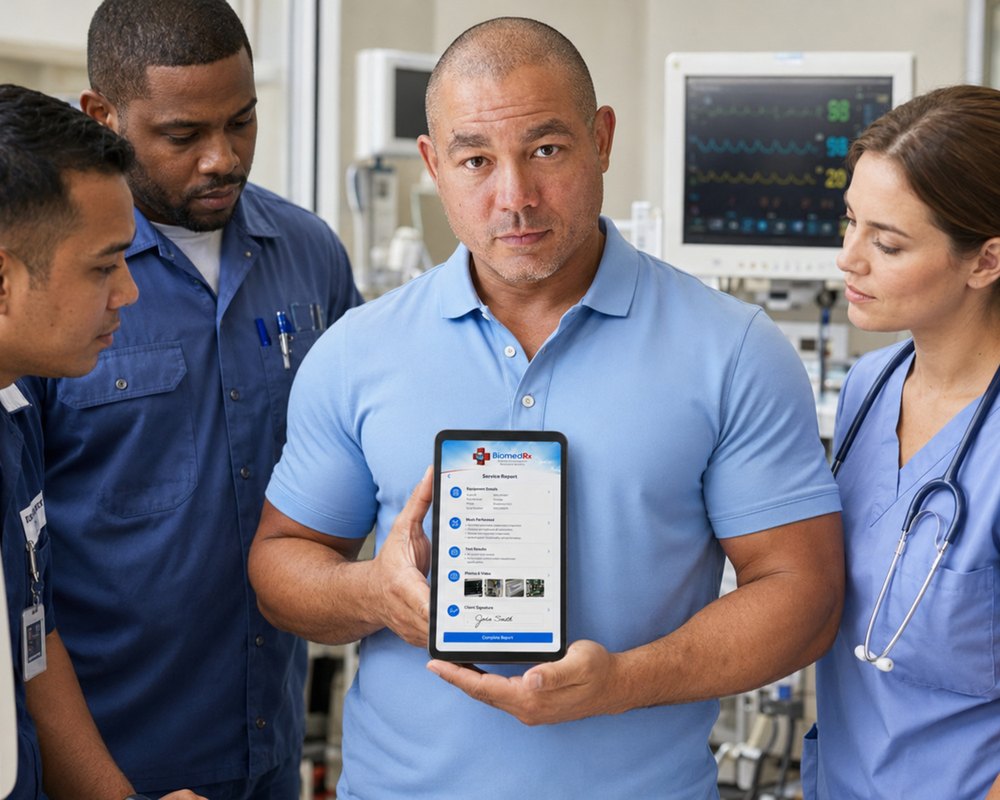
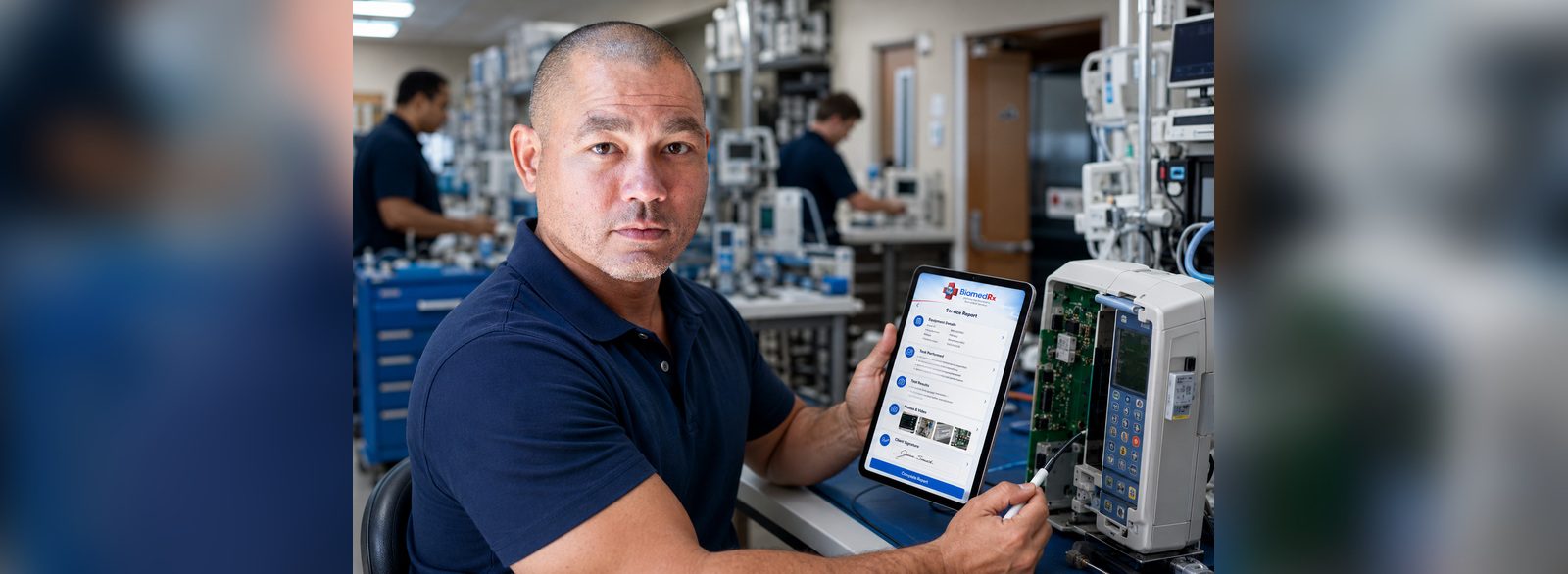
Settle invoices in the app against the work order they belong to.
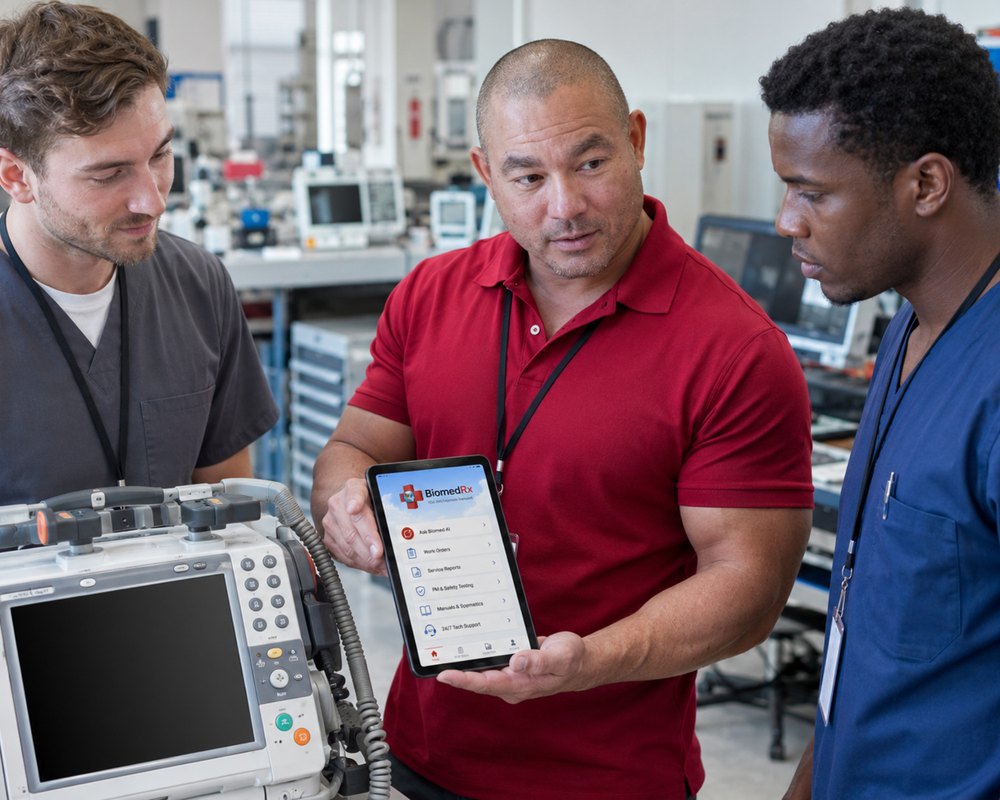
Work is carried by BiomedRx technicians and vetted independent service organizations in the BiomedRx service network.
Dispatch, execution and the returned record, all in one interface.
Manufacturers need coverage they do not have to build. Hospitals need a service record that does not depend on who happened to take the call. The BiomedRx International Service Network exists to serve both.
Independent service organizations apply for membership in the network through the app. Members are expected to be ready for travel and field assignments, to keep technical training current, to communicate promptly and professionally, to follow documentation and escalation procedures, and to comply with site and regulatory requirements.
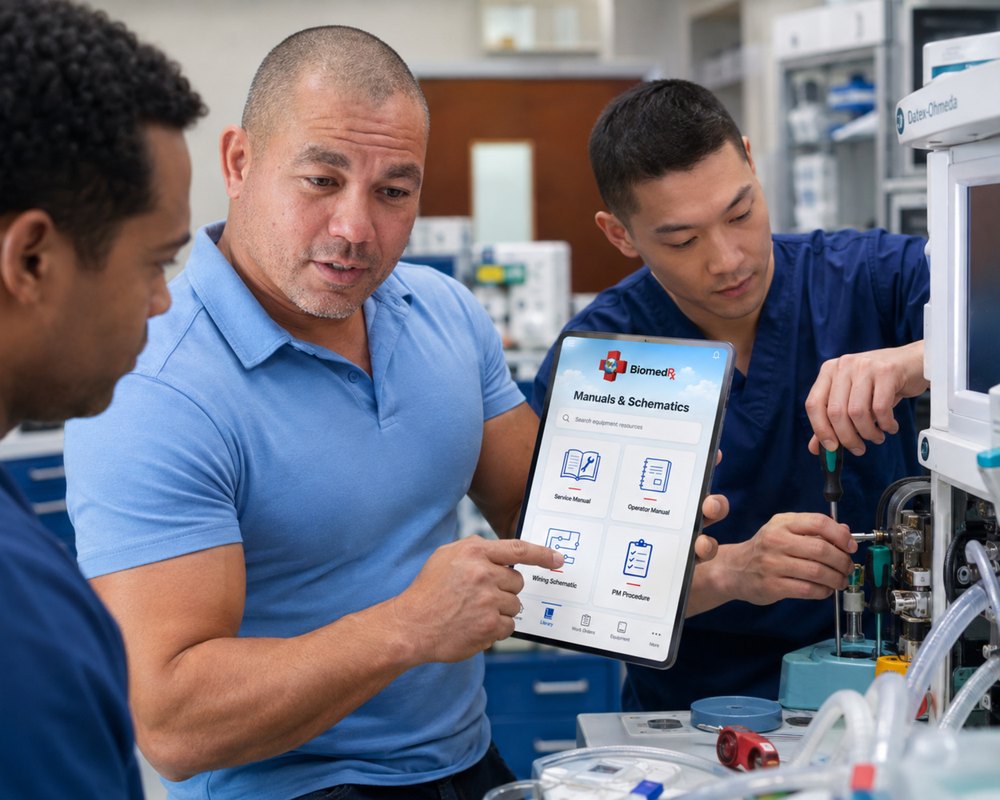
That is what makes dispatch dependable: the technician who arrives is working from the same procedures, the same documentation standard and the same reporting interface as everyone else in the network.
Tell us the device line and the footprint. We come back with scope, pricing, terms, SLAs and reporting.
Building nationwide field service coverage is expensive and slow, and demand for it is uneven. Most manufacturers need depth in a few metropolitan areas and reach everywhere else.
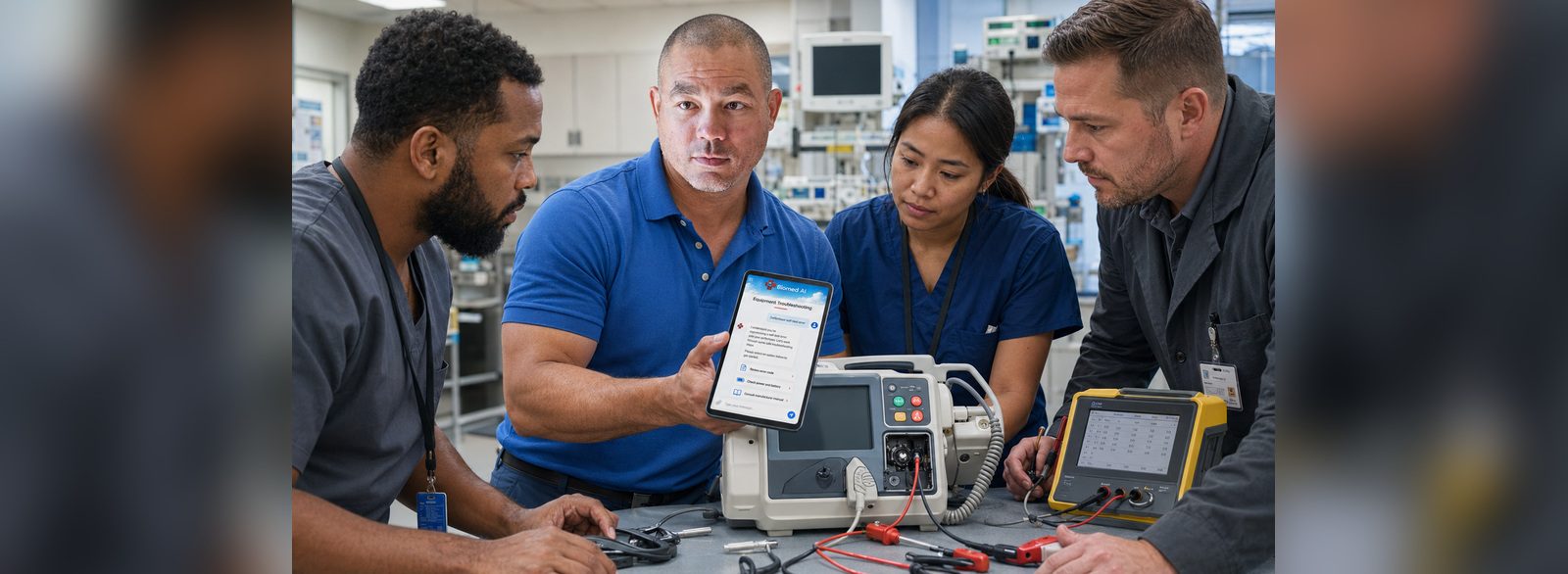
The BiomedRx International Service Network is structured for that shape of demand. Work is dispatched to BiomedRx technicians and to vetted independent service organizations that have applied for membership and accepted the network's expectations for readiness, training, communication, documentation, escalation and regulatory compliance.
Because the same app carries the dispatch, the procedure, the report and the invoice, the manufacturer sees one consistent record regardless of who performed the visit, and the hospital sees a service history that does not fracture when the technician changes.
Manufacturer field service arrangements fail on ambiguity more often than on capability. BiomedRx works from defined scopes, stated service levels, agreed reporting, and explicit compliance requirements, because those are the terms a hospital will hold your product to whether or not they appear in your service agreement.
Coverage can start as a pilot program in a defined region and expand in phases, which is usually a better test of a service relationship than a nationwide commitment made on paper. Rapid mobilization matters here: the value of a service network is measured on the days when something has already gone wrong.
Reporting is the same for every visit regardless of who performs it, because every member works through the same app. That consistency is what lets a manufacturer treat the network as an extension of its own field organization rather than as a collection of subcontractors, and it is what keeps a device's service history intact when the technician on site changes.
